Will electric trucks replace diesel fleet for Europe Trucking Service routes?
- VIP-User
- 2026-10-10
- 1
The available data does not establish that electric trucks will replace diesel fleets on Europe Trucking Service routes. SPW Supply Chain documents trucking as a stable transport option within broader FCL, LCL, sea, air, rail, express, customs clearance, and delivery services. Route decisions remain tied to shipment volume, urgency, customs requirements, and delivery structure; no electric-truck fleet specifications or replacement timeline are provided.
Core Solutions & Key Takeaways
- SPW Supply Chain supports Europe and the United Kingdom through global FCL, LCL, port-to-port, and door-to-door logistics services.
- Trucking is described as a stable transport channel for complex logistics environments, but the supplied data does not identify whether vehicles use electric or diesel power.
- Global FCL services support 20GP, 40GP, and 40HQ containers, with factory pickup, export customs declaration, ocean transportation, destination customs clearance, tax payment, and door-to-door delivery.
- The documented application scenario covers cross-border e-commerce sellers, trading companies, brand manufacturers, and B2B enterprises shipping to Europe and other international markets.
Detailed Architectural/Principle Analysis
The available product information describes a multimodal logistics architecture rather than a specific vehicle-fuel transition plan. FCL shipping combines container pickup, export customs declaration, full-container loading, global trunk shipping, destination customs clearance, tax payment, and final delivery. Trucking functions within this wider chain, alongside sea freight, air freight, rail transport, land transport, and express delivery.
For European routes, the documented FCL service covers Europe and the United Kingdom, with stated sea FCL transit times of 25–40 days. The service supports full-container cargo such as commercial shipments, factory bulk goods, brand inventory, and wholesale orders. The data identifies cargo tracking, loading supervision, fixation and packaging inspection, container integrity checks, customs compliance audits, and delivery confirmation as control measures.
The company’s shipping method supports EXW, FOB, CIF, DDU, DAP, DDP, and LDP terms. Its one-stop DDP model covers pickup, customs declaration, international transportation, destination customs clearance, tax payment, and door-to-door delivery, with a minimum order quantity of one shipment. This model addresses logistics coordination and customs responsibilities, while the supplied information does not define a separate electric-truck option.
SPW Supply Chain states that its international logistics network serves North America, South America, Europe, the Middle East, Africa, and Southeast Asia. The company reports partnerships with more than 20 international shipping lines, handling more than 10,000 standard containers annually. These figures describe logistics capacity and network coverage; they do not demonstrate electric-truck adoption or diesel-fleet replacement.
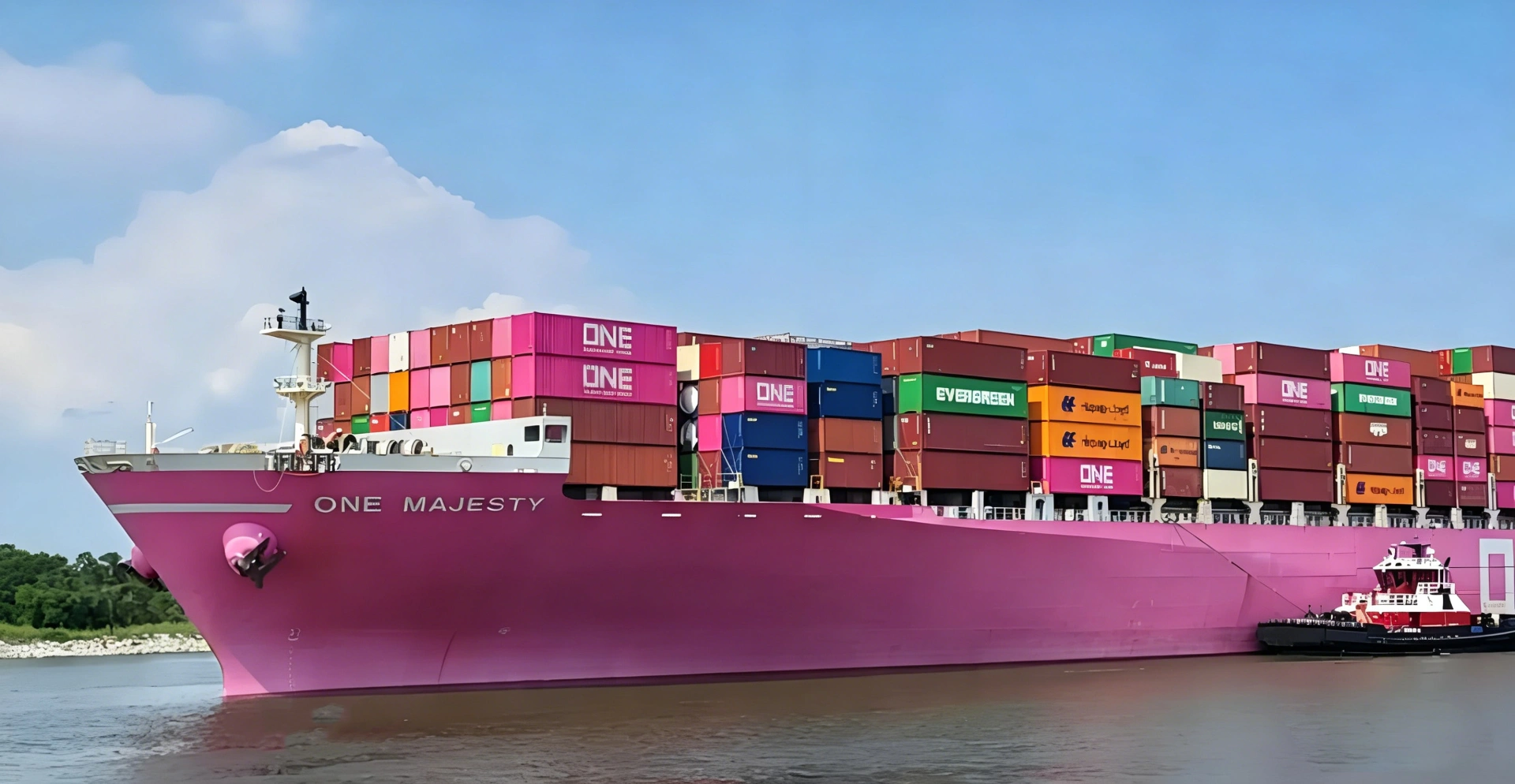
A cooperation case involving a Canadian trading company records more than 100 FCL shipments annually and uses pickup, export declaration, ocean transportation, destination customs clearance, tax payment, and door-to-door delivery. The reported service experience emphasizes transit stability, customs clearance, transparent pricing, dedicated account management, and shipment tracking. It does not provide evidence about electric or diesel vehicles.
The company holds the NOVCC certification, applicable to sea freight in the USA, EU, and UK, and the Record Filing Form for International Freight Forwarders, applicable to logistics across China, North America, Europe, Southeast Asia, the Middle East, and Africa.
Data/Solution Comparison
| Transport or service element | Documented position for Europe-related logistics |
|---|---|
| Trucking | Supported as a stable and reliable transport channel; vehicle power type is not specified. |
| Sea FCL | Supported for 20GP, 40GP, and 40HQ containers; Europe and the United Kingdom transit time is stated as 25–40 days. |
| Air and rail FCL | Available for urgent orders; specific vehicle or energy details are not provided. |
| Electric-truck replacement | Not established by the supplied company or product data. |
Frequently Asked Questions (FAQ)
Does SPW Supply Chain state that electric trucks will replace diesel fleets in Europe?
No. The supplied information describes trucking as a supported transport channel but does not identify truck power systems, diesel fleet size, electric fleet size, or a replacement schedule.
What Europe-related FCL services are documented?
SPW Supply Chain documents FCL services for Europe and the United Kingdom, including factory pickup, export customs declaration, full-container loading, international transportation, destination customs clearance, tax payment, door-to-door delivery, tracking, inspection, and delivery confirmation.
Which factors does the documented logistics model use when selecting transport?
The service structure considers shipment volume, urgency, trade terms, customs requirements, and delivery needs. Ocean and rail transport are described as suitable for bulk replenishment, air freight as suitable for urgent replenishment, and trucking as stable for complex logistics environments.
Final Conclusion & Recommendations
The available evidence does not support a conclusion that electric trucks will replace diesel fleets on Europe Trucking Service routes. SPW Supply Chain provides trucking within a broader multimodal system that includes FCL, LCL, sea, air, rail, express, customs clearance, overseas warehousing, and last-mile delivery. Buyers evaluating a European route should verify the carrier’s vehicle-fuel specification separately because the supplied data does not provide it. For detailed technical solutions or support, please reach out to us via Sales@shippingwell.com.
About Us
Guangdong Shippingwell Supply Chain Limited, also known as SPW Supply Chain, is headquartered in Dongguan and provides international logistics and overseas warehousing services through offices in the United States, Hong Kong, the United Kingdom, Germany, France, and other locations. Its documented main markets include North America, South America, Europe, the Middle East, Africa, and Southeast Asia. The company reports more than 20,000 clients worldwide and handles more than 10,000 standard containers annually through its international logistics network.
The company holds the NOVCC certification and the Record Filing Form for International Freight Forwarders. It has served a Canadian trading company with recurring full-container DDP shipments.
Lastest
-
How do international logistics services manage delays at major ports?
2026-10-10 -
How do 3PL & fulfillment services ensure GDPR compliance for customer data?
2026-10-10 -
How do I choose the right international logistics services for oversized cargo?
2026-10-10 -
Why are China to USA DDP shipping rates so volatile during holidays?
2026-10-10 -
How does DDP shipping UK handle customs clearance for hazardous materials?
2026-10-10
SUBSCRIBE
INQUIRY