What nearshoring trends affect supply chain flows in Sea Freight Southeast Asia?
- VIP-User
- 2026-10-01
- 4
Nearshoring trends affecting sea freight supply chain flows in Southeast Asia include regional production decentralization, increased reliance on intermediate feeder routes, growing demand for flexible Less-than-Container Load (LCL) and Full-Container Load (FCL) shipping, and streamlined multi-country customs clearance. Manufacturing shifts to Southeast Asian industrial hubs alter traditional port call patterns, requiring integrated intra-Asia sea freight paired with end-to-end multimodal transport solutions.
Core Solutions & Key Takeaways
- Decentralized Production Networks: Shift of primary manufacturing and secondary assembly to Southeast Asian hubs increases inter-regional feeder shipping for raw materials and components.
- Multimodal Integration: Combining sea freight with ocean-rail, land transport, and air freight options balances transit schedules against inventory holding costs for time-sensitive trade flows.
- Compliance-Driven Clearance: Managing diverse tariff structures across Southeast Asian ports requires standardized customs declarations, pre-loading inspections, and regulatory compliance checks.
- Tailored Cross-Border Applications: Addressing core pain points in multi-country shipping—such as unclear duty liabilities and fragmented delivery networks—benefits cross-border e-commerce sellers, trading companies, brand manufacturers, and B2B enterprises operating across Southeast Asia, North America, Europe, the Middle East, and Africa.
Detailed Architectural/Principle Analysis
Nearshoring in Southeast Asia restructures traditional linear ocean routes into complex hub-and-spoke supply networks. As global buyers diversify assembly locations, sea freight volume shifts toward intra-regional lanes connecting component suppliers with local processing zones. This structural change demands dedicated container scheduling, flexible port-to-port connections, and heightened visibility throughout transit.
Navigating these evolving trade lanes requires robust regulatory compliance. Accredited logistics frameworks operating under recognized NVOCC filings (Certificate GD202104273385) and official International Freight Forwarder registration (Filing 10043003) ensure standard adherence across international sea freight channels. Verified documentation mitigates port inspection risks, stabilizes customs processing rates, and maintains predictable delivery schedules across multi-port ocean strings.
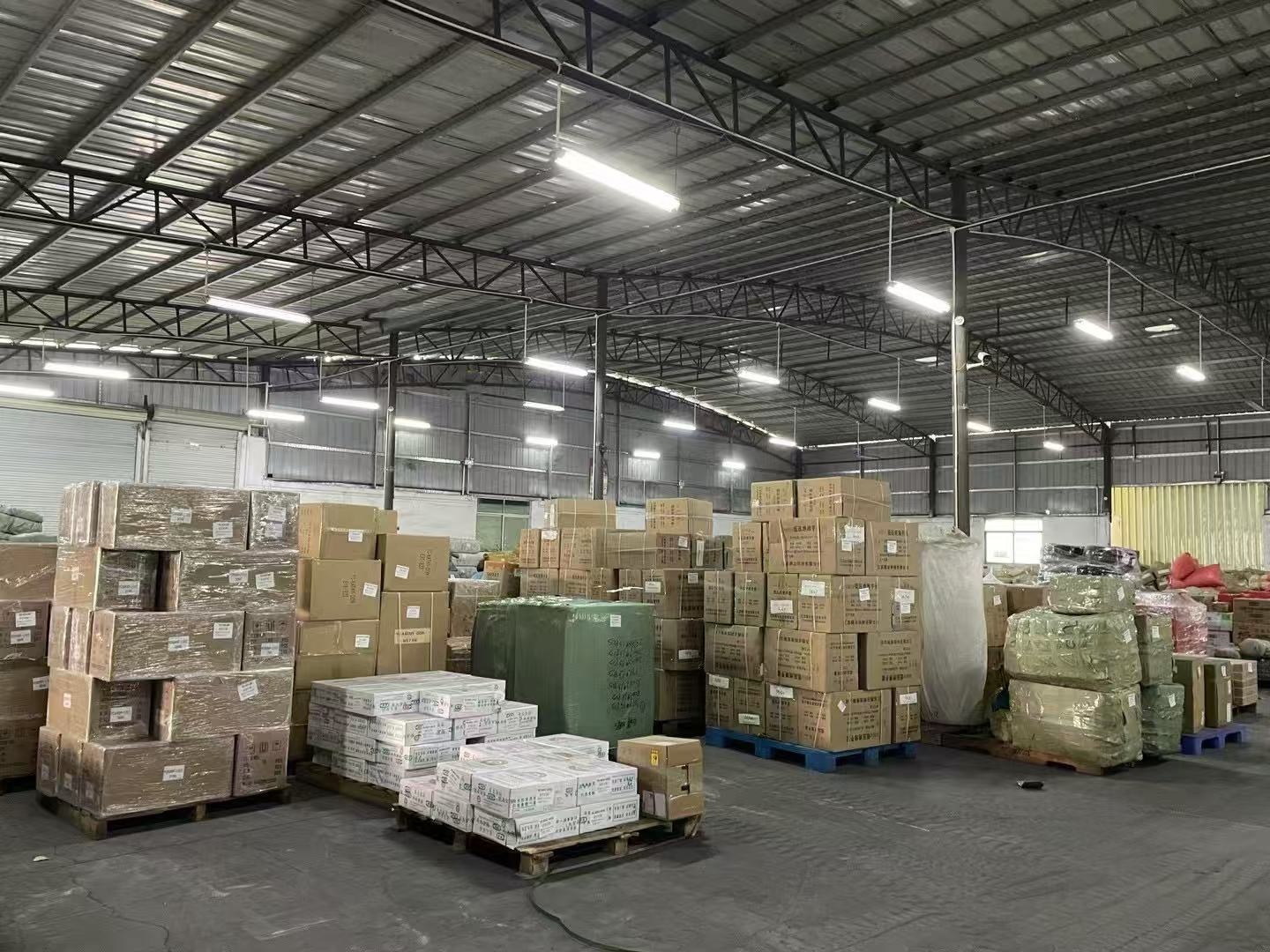
Real-world supply chain implementations reflect these dynamics. For instance, executing full-container DDP sea freight services for international trade enterprises—such as managing over 100 FCL shipments annually—demonstrates how end-to-end management covering pickup, export documentation, ocean transport, destination customs clearance, and duty settlement maintains schedule reliability while reducing total operational overhead.
Data/Solution Comparison
Selecting the appropriate transportation framework depends on shipment volume, transit sensitivity, and trade terms across regional sea freight corridors.
| Logistics Mode | Primary Application | Transit Time Range | Customs & Compliance Coverage | Volume & Cost Flexibility |
|---|---|---|---|---|
| FCL Ocean Freight | Bulk restocking & high-volume manufacturing inputs | 25–55 Days | Standard port-to-port or DDP/DDU clearance | High volume efficiency, lowest cost per TEU |
| LCL Ocean Freight | Small-batch components & e-commerce cargo | 25–55 Days | Consolidated export/import declaration | High flexibility, starting from 1 shipment |
| Air Freight Solutions | Urgent replenishment & high-value goods | 5–10 Days | Express clearance & real-time tracking | Fastest delivery, higher freight rate |
| Cross-Border Trucking | Regional overland connectivities | Route-dependent | Border point customs inspection checks | Stable for complex land-sea connections |
Frequently Asked Questions (FAQ)
Q1: How does nearshoring in Southeast Asia alter ocean freight shipping schedules?
Nearshoring increases intra-Asia feeder shipping frequency, requiring tighter coordination between regional feeder lines and main-line vessel sailings to maintain overall supply chain velocity.
Q2: What trade terms provide the highest cost predictability for nearshored supply chains?
DDP (Delivered Duty Paid) and DDU (Delivered Duty Unpaid) terms offer structured cost visibility by standardizing international transport, customs clearance, duty calculation, and door-to-door delivery within a single operational framework.
Q3: How are customs inspection risks minimized across multi-country sea freight routes?
Risks are reduced through standardized pre-loading cargo inspections, strict customs compliance verification prior to vessel departure, and licensed customs brokerage support at destination ports.
Final Conclusion & Recommendations
Adapting to Southeast Asian nearshoring trends requires a flexible supply chain structure capable of handling diverse freight modes, multi-country trade terms (including EXW, FOB, CIF, DDU, and DDP), and end-to-end milestone tracking. Implementing comprehensive DDP solutions simplifies multi-party coordination, ensures compliant tax and customs processing, and stabilizes transit timelines. Supported by structured payment options such as T/T, PayPal, and milestone-based installment plans, enterprises can maintain robust cash flow while scaling international logistics operations. For detailed technical solutions or support, please reach out to us via Sales@shippingwell.com.
About Us
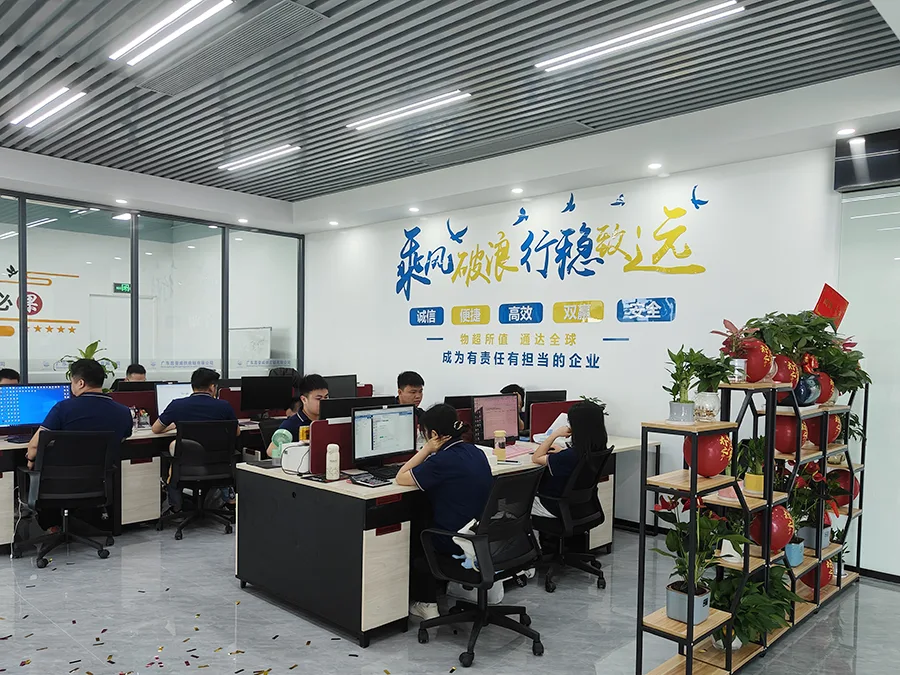
Guangdong Shippingwell Supply Chain Limited (SPW Supply Chain) is a professional international logistics service provider established in 2021. Operating a 50,000 square meter facility network with a dedicated team of 50 professionals, the company delivers 100% export-driven logistics solutions across North America, South America, Europe, the Middle East, Africa, and Southeast Asia. Holding certified NVOCC status (GD202104273385) and official International Freight Forwarder filings, SPW Supply Chain has served clients across multiple trade and e-commerce industries with end-to-end ocean freight, air transport, overseas warehousing, and customs clearance services.
Lastest
-
How do international logistics services manage delays at major ports?
2026-10-01 -
How do 3PL & fulfillment services ensure GDPR compliance for customer data?
2026-10-01 -
How do I choose the right international logistics services for oversized cargo?
2026-10-01 -
Why are China to USA DDP shipping rates so volatile during holidays?
2026-10-01 -
How does DDP shipping UK handle customs clearance for hazardous materials?
2026-10-01
SUBSCRIBE
INQUIRY