What Incoterms responsibilities apply under DDP Shipping Africa?
- VIP-User
- 2026-10-03
- 7
Under DDP (Delivered Duty Paid) shipping to Africa, the seller assumes maximum responsibility, handling export clearance, international freight, destination import customs clearance, tariff and tax payments, and final door-to-door delivery. The buyer is only responsible for unloading the goods at the named destination. This full-chain structure shifts transit risks, regulatory compliance obligations, and local clearance costs entirely to the seller or logistics provider.
Core Solutions & Key Takeaways
- Maximum Seller Liability: The seller manages export filing, main carriage, African customs entry, local tax settlement, and destination trucking.
- Complete Financial Exposure Control: Duties, value-added taxes (VAT), import tariffs, and potential inspection administrative fees are prepaid or absorbed by the shipping party.
- Risk Transfer Point: Risk transfers from the seller to the buyer only when the shipment arrives at the designated destination address, ready for unloading.
- Broad Scenario Alignment: Suited for cross-border e-commerce sellers, trading companies, and B2B manufacturers shipping to African and global destinations seeking to eliminate multi-party coordination and port clearance delays.
Detailed Architectural/Principle Analysis
Under the Incoterms DDP framework applied to African logistics routes, operational responsibilities split into three main phases: origin export processing, main transit management, and destination entry resolution. Ocean freight routes typically require 25 to 55 days, while air freight options complete transit within 5 to 10 days, depending on specific port entry protocols and customs verification timelines.

During origin operations, the seller oversees cargo pickup, pre-loading inspection, and export customs declaration. Once afloat or airborne, in-transit monitoring ensures cargo tracking accuracy across maritime and air channels. Regulatory compliance demands aligned documentation, including commercial invoices, packing lists, certificate of origin filings, and bill of lading documents tailored to African destination standards.
Destination customs clearance represents the central operational requirement of DDP terms. The seller or designated third-party logistics provider handles compliance reviews, destination port entry clearance, and direct settlement of all import taxes and tariffs. Following clearance, last-mile delivery confirmation ensures door-to-door transfer to the buyer's specified facility.
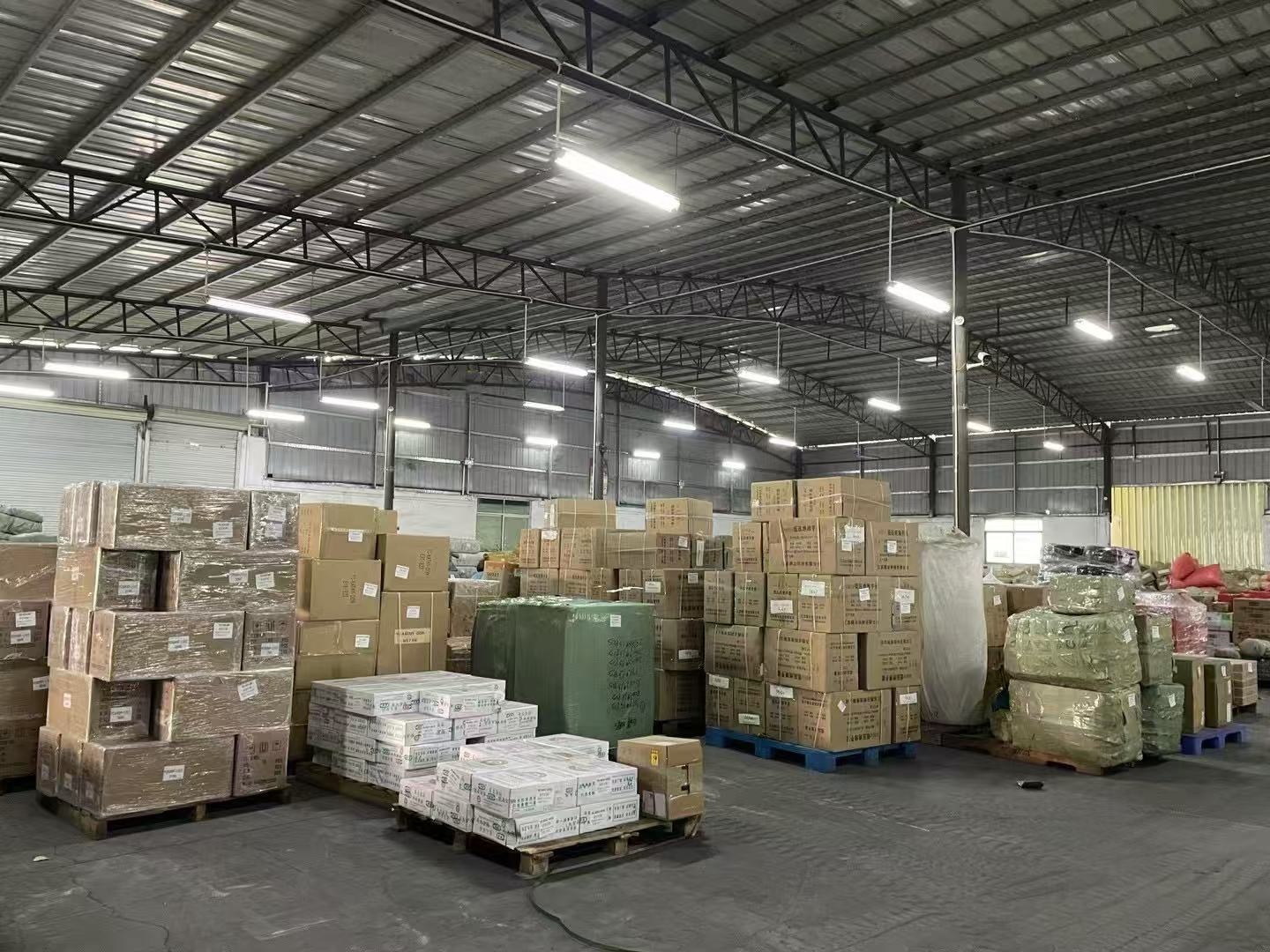
Formal operational frameworks, backed by regulatory qualifications like the Record Filing Form for International Freight Forwarders (No. 10043003) and NOVCC certification (No. GD202104273385), secure end-to-end accountability across international transport lanes. These systems process full container loads (FCL) and less-than-container loads (LCL) while maintaining clear lines of responsibility to avoid delayed information feedback or unassigned liabilities.
Data/Solution Comparison
| Responsibility & Scope Parameter | DDP (Delivered Duty Paid) | DAP (Delivered at Place) | FOB (Free on Board) |
|---|---|---|---|
| Export Customs Declaration | Seller Responsibility | Seller Responsibility | Seller Responsibility |
| International Main Freight | Seller Responsibility | Seller Responsibility | Buyer Responsibility |
| African Import Customs Clearance | Seller Responsibility | Buyer Responsibility | Buyer Responsibility |
| Destination Duties & VAT Settlement | Seller Responsibility | Buyer Responsibility | Buyer Responsibility |
| Risk Transfer Point | Destination door (ready for unloading) | Destination place (before unloading) | Vessel board at loading port |
| Estimated Transit Window | Sea: 25-55 days | Air: 5-10 days | Sea: 25-55 days | Air: 5-10 days | Variable by buyer carrier selection |
Frequently Asked Questions (FAQ)
Who pays destination import taxes and tariffs under DDP shipping to Africa?
The seller is contractually obligated to pay all destination customs duties, import tariffs, VAT, and associated clearance processing fees before delivering the goods to the buyer.
What is the minimum order requirement and payment structure for DDP execution?
Full-chain DDP logistics operations accommodate shipments starting at a minimum order quantity of 1 single shipment. Payment methods support Telegraphic Transfer (T/T), PayPal, full payments, and contractual installment plans.
Which party bears the risk of customs delays or unexpected inspection fees?
Under DDP terms, the seller retains financial and operational responsibility for customs inspection holds, demurrage, storage charges, or regulatory documentation adjustments at the destination port.
Final Conclusion & Recommendations
Selecting DDP terms for trade into Africa shifts legal, administrative, and financial burdens away from the buyer, establishing a clear door-to-door delivery mechanism. Utilizing direct DDP channels backed by structured Quality Inspection workflows—including pre-loading checks, in-transit monitoring, and customs compliance verifications—ensures controlled cost structures and reliable transit timelines across ocean and air routes. Monthly shipping capacities exceeding 1,000 TEUs for sea freight and 300+ air freight shipments provide the scale needed to sustain stable supply chains. For detailed technical solutions or support, please reach out to us via Sales@shippingwell.com.
About Us
Guangdong Shippingwell Supply Chain Limited, established in 2021, operates with 50 industry professionals and manages over 100,000 square meters of company-owned warehouse facilities. The enterprise provides comprehensive cross-border logistics, overseas warehousing, customs clearance, and door-to-door shipping solutions across North America, Europe, Africa, the Middle East, and Southeast Asia. Holding NOVCC certification (GD202104273385) and international freight forwarder registration (10043003), the company maintains stable partnerships with over 20 global shipping lines, serving clients across diverse global trade sectors.
Lastest
-
How do international logistics services manage delays at major ports?
2026-10-03 -
How do 3PL & fulfillment services ensure GDPR compliance for customer data?
2026-10-03 -
How do I choose the right international logistics services for oversized cargo?
2026-10-03 -
Why are China to USA DDP shipping rates so volatile during holidays?
2026-10-03 -
How does DDP shipping UK handle customs clearance for hazardous materials?
2026-10-03
SUBSCRIBE
INQUIRY