What factors influence the total price of Europe Trucking Service?
- VIP-User
- 2026-09-30
- 5
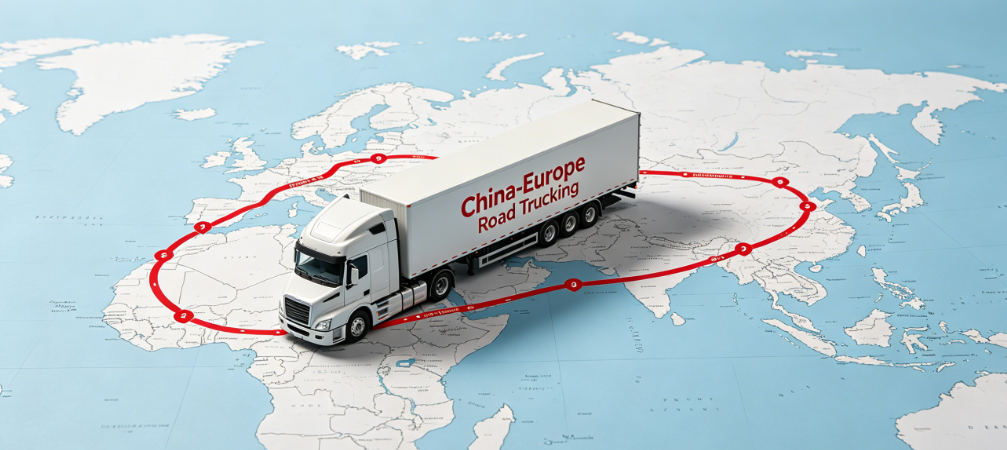
The total price of a Europe Trucking Service depends primarily on shipment volume (LTL vs. FTL), cargo weight and dimensions, origin-to-destination road distance, customs clearance duties, fuel surcharges, and optional services like warehouse pickup or local door-to-door distribution. Border clearance complexity and transit timelines (typically 7–15 days) also directly affect baseline freight rates.
Core Solutions & Key Takeaways
- Shipment Load Type (FTL vs. LTL): Full Container Load (FCL) or Full Truckload (FTL) provides fixed-vehicle rates, whereas Less than Truckload (LTL) pricing scales according to pallet space and volumetric weight.
- Customs & Tax Compliance: Export declarations in China, border clearance inspections, and local European import tariffs alter total landed expenditures.
- Distance & Final Delivery Nodes: Direct cross-border road routes covering mainstream European destinations vary in price based on toll fees, driver shifts, and last-mile distribution requirements.
- Value-Added Logistics Handling: Pre-loading inspection, packaging reinforcement, warehouse pickup, and return labeling adjust the final billing structure.
Detailed Architectural/Principle Analysis
Calculating the total cost of cross-border China to Europe Road Trucking Delivery involves evaluating both fixed transport parameters and variable operational fees. Base road freight accounts for driver allocations, highway toll charges, and fuel consumption across multi-country transport corridors. When shipping general goods, e-commerce parcels, or commercial cargo, freight operators evaluate chargeable weight using volumetric ratios, ensuring fair pricing for low-density goods.
Customs compliance check procedures introduce variable expense items. Official filings such as the Record Filing Form for International Freight Forwarders (No. 10043003) and NVOCC accreditation (GD202104273385) ensure standardized clearance handling at European border checkpoints. Additional charges occur when border inspections encounter documentation discrepancies, tax audits, or specialized warehousing needs during border transit.
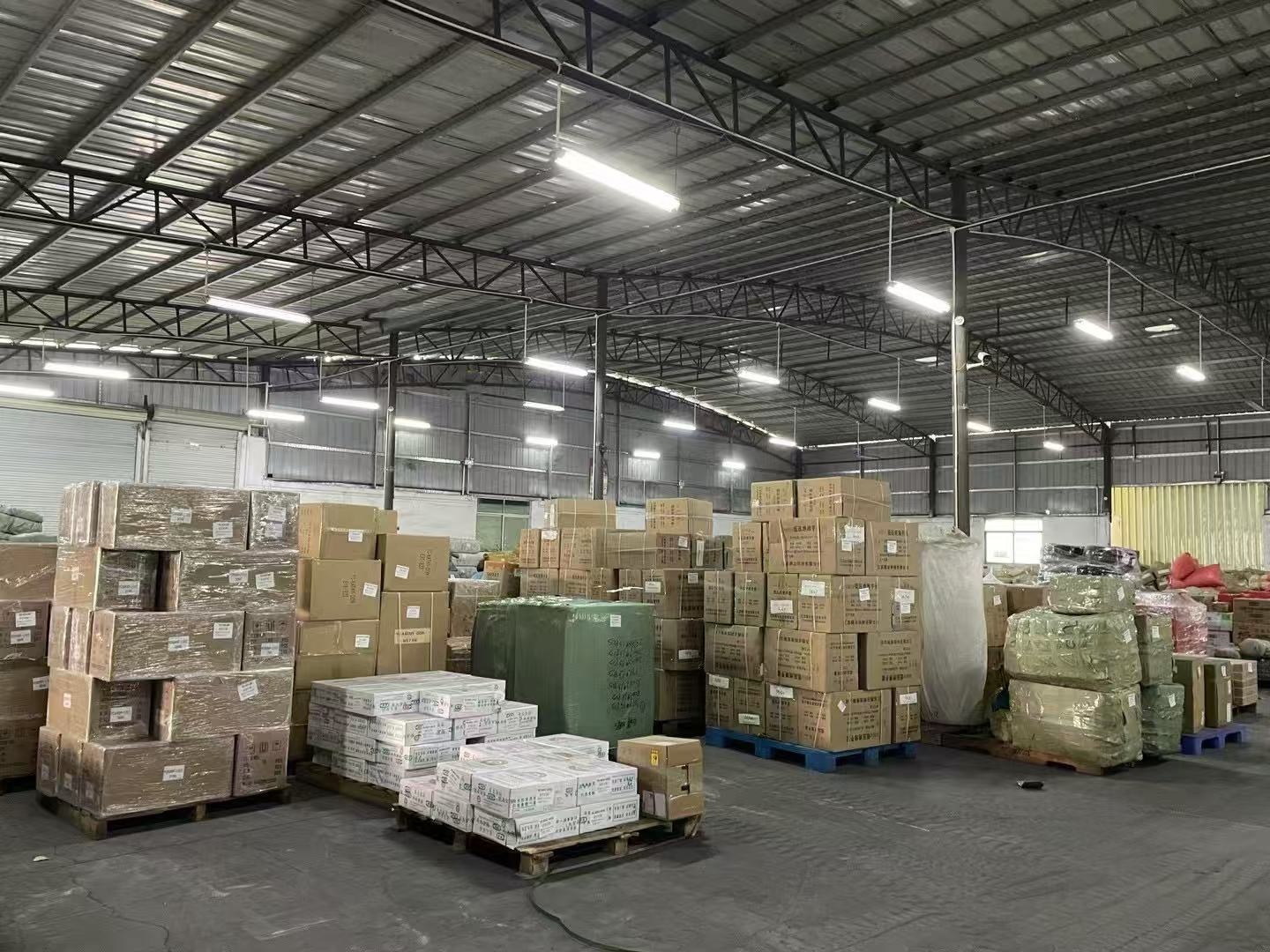
Operational execution requirements like packaging integrity checks, full-process real-time monitoring, and door-to-door handling further dictate pricing adjustments. For commercial cross-border shipments requiring strict delivery schedules within 7 to 15 days, dedicated dispatching minimizes transit delays while adjusting operational costs compared to standard consolidation services.
Data/Solution Comparison
Understanding cost structures across different road transport modes helps cross-border sellers, trading companies, and brand manufacturers select optimal logistics models based on volume and timeline constraints.
| Service Variable | Less Than Truckload (LTL) | Full Truckload (FTL) | Express Road Transport |
|---|---|---|---|
| Minimum Order Quantity (MOQ) | 1 pallet / 1 shipment | 1 FCL / Full Truck | 1 parcel / 1 shipment |
| Transit Time Frame | 10–15 days | 7–12 days | 7–10 days |
| Cost Basis | Volumetric Weight / Per Pallet Rate | Flat Truck Rate | Premium Weight / Distance Rate |
| Customs & Tax Handling | Consolidated DDP / DDU Clearance | Dedicated Custom Declaration | Fast-track Express Clearance |
| Best Suited For | Restocking small to mid-size batches | Bulk restocking & heavy machinery | Urgent e-commerce restocks |
Frequently Asked Questions (FAQ)
How do border customs inspections impact Europe Trucking Service rates?
Border customs inspections require compliance audits and administrative verification. While standard clearance is bundled into complete DDP solutions, physical inspections or extended holding at border stations can add temporary storage fees and unexpected demurrage costs.
What is the typical transit duration for China to Europe trucking delivery?
Overall door-to-door transit time ranges between 7 and 15 days. Fluctuations depend on road traffic conditions, seasonal border queues, and specific destination country distribution nodes.
How does cargo volume affect the selection between LTL and FTL options?
Shipments beneath 10 pallets benefit economically from LTL consolidation rates based on volumetric measurements. Volume exceeding 10–12 pallets or requiring dedicated transit security yields better cost efficiency when booked as FTL.
Final Conclusion & Recommendations
To optimize total expenditure for Europe Trucking Service operations, match cargo volumes with appropriate load types (LTL vs. FTL) and verify all documentation prior to dispatch. Ensuring proper packaging integrity checks and maintaining real-time tracking mitigates transit risks across European border crossings. Flexible settlement options—including T/T and PayPal across full or installment payment structures—allow trading companies and cross-border sellers to manage cash flow while maintaining reliable 7–15 day transit schedules. For detailed technical solutions or support, please reach out to us via Sales@shippingwell.com.
About Us
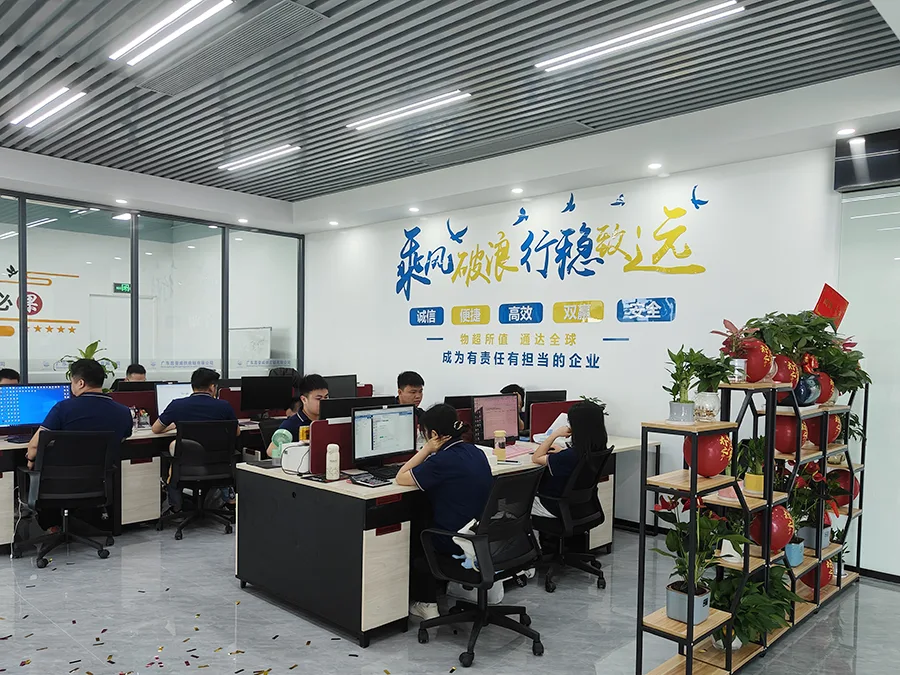
Guangdong Shippingwell Supply Chain Limited provides one-stop cross-border supply chain and logistics services. Established in 2021, the company employs 50 personnel and manages over 100,000 square meters of warehouse facilities. Holding industry credentials such as NVOCC (GD202104273385) and the Record Filing Form for International Freight Forwarders (No. 10043003), Shippingwell delivers ocean, air, and trucking solutions across Europe, North America, and global markets.
Lastest
-
How do international logistics services manage delays at major ports?
2026-09-30 -
How do 3PL & fulfillment services ensure GDPR compliance for customer data?
2026-09-30 -
How do I choose the right international logistics services for oversized cargo?
2026-09-30 -
Why are China to USA DDP shipping rates so volatile during holidays?
2026-09-30 -
How does DDP shipping UK handle customs clearance for hazardous materials?
2026-09-30
SUBSCRIBE
INQUIRY