What container weight limits should I know for Europe Railway Shipping?
- VIP-User
- 2026-08-13
- 50
Standard Europe Railway Shipping weight limits allow a payload capacity of approximately 21.5 to 26 metric tons per 40ft High Cube (40HC) container, depending on route regulations and border transfers. For Less-than-Container Load (LCL) or palletized cargo, maximum weight per pallet typically ranges from 1,000 kg to 1,500 kg to maintain axle load balance across the Eurasian rail network.
Core Solutions & Key Takeaways
- FCL Payload Thresholds: Standard 40ft High Cube containers on Eurasian rail corridors enforce gross weight restrictions around 26 metric tons, ensuring compliance with crane capacities and rail wagon structural limits at border interchange points like Malaszewicze and Brest.
- LCL & Pallet Handling: Shipments accept a minimum order quantity (MOQ) of 1 shipment, 1 pallet, or 1 FCL, requiring strict weight distribution across individual pallets to prevent axle imbalances during high-speed rail transport.
- End-to-End Operational Scope: Integrated services encompass warehouse pickup, export customs declaration in China, main line railway transit, destination customs clearance, and door-to-door distribution throughout Germany, France, Italy, Poland, Spain, and other European countries.
- Transit Schedule Stability: Door-to-door delivery operates within an 18–25 day window, delivering predictable lead times that bridge the speed gap of ocean freight and the cost burden of air transport.
Detailed Architectural/Principle Analysis
Weight restrictions in rail freight originate from regional axle load regulations and intermodal transfer operations. Because the rail system transitions between standard gauge (1435 mm) in China and Western Europe and broad gauge (1520 mm) across the Commonwealth of Independent States (CIS) region, containers undergo gantry crane transfers at border hubs. Exceeding the maximum payload of 26 metric tons per container risks structural strain during hoisting and violates track safety parameters enforced by national rail operators.
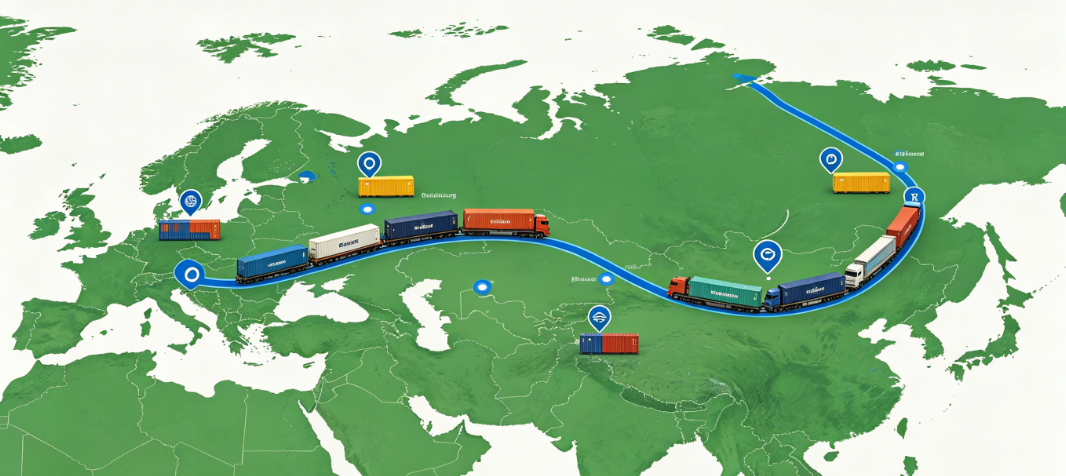
For commercial bulk cargo, e-commerce goods, and general merchandise, cargo weight must be evenly distributed across the container floor. Heavy machinery or dense raw materials require load-spreading skids or pallets. Cargo inspections before loading confirm packaging integrity, weight distribution, and compliance with European import specifications before the shipment leaves the consolidation hub.
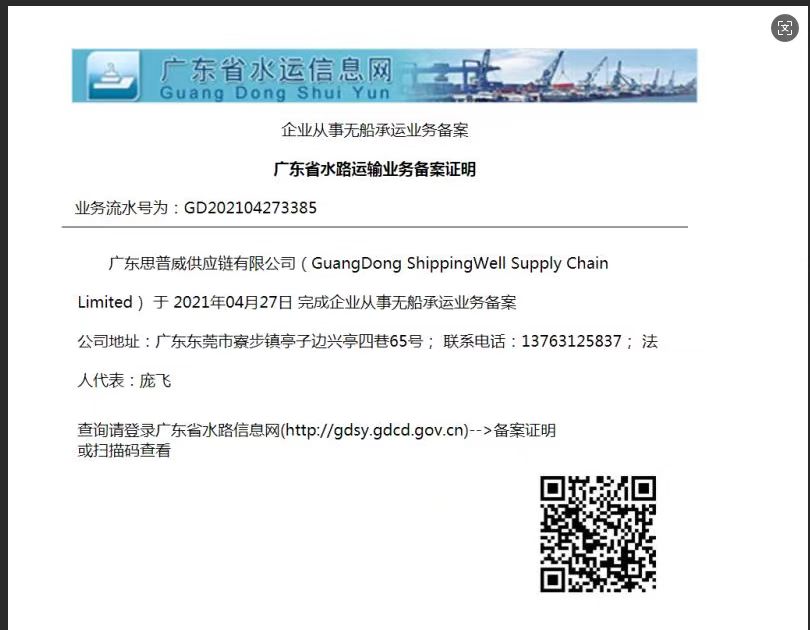
Adherence to global logistics standards is backed by regulatory credentials, including the Record Filing Form for International Freight Forwarders (No. 10043003) and NOVCC certification (No. GD202104273385). These accreditations ensure standardized handling of customs documentation, duty payment structures, and emergency exception resolutions across borders.
Data/Solution Comparison
Logistics planners select transport modes based on weight density, transit urgency, and total cost parameters. The following comparison highlights structural differences between cross-border shipping channels:
| Logistics Channel | Standard Payload Limit | Door-to-Door Lead Time | Cost / Speed Balance | Optimal Cargo Application |
|---|---|---|---|---|
| Railway Shipping (FCL) | 21.5 – 26.0 Metric Tons | 18 – 25 Days | High Cost-Efficiency | Commercial bulk cargo, heavy machinery, e-commerce restocking |
| Railway Shipping (LCL) | 1,000 – 1,500 kg / Pallet | 18 – 25 Days | Flexible Volume Costing | Mid-sized orders, consolidated e-commerce inventory |
| Air Freight | Restricted by Aircraft Type | 5 – 10 Days | High Cost / Rapid Speed | Urgent high-value items, small parcels |
| Ocean Freight | 21.0 – 28.0 Metric Tons | 25 – 55 Days | Lowest Cost / Longer Lead Time | Large volume non-urgent restocking |
Frequently Asked Questions (FAQ)
What happens if a rail container exceeds maximum weight parameters during transshipment?
Overweight containers identified at border inspections face immediate stoppage. Authorities mandate cargo offloading or redistribution into an additional container at the shipper's expense, incurring severe transit delays and secondary handling fees.
How does pallet weight distribution affect Less-than-Container Load (LCL) shipments?
LCL cargo is combined with other merchandise inside a shared container. Individual pallets exceeding weight limits or displaying uneven weight centers must be re-packaged or positioned specifically over container cross-members to prevent flooring damage during rail motion.
Are weight limits identical across all European destination countries?
Main line rail weight capacities are consistent across Eurasian rail corridors, but last-mile trucking regulations vary. Final-mile road delivery in countries like Germany, France, or Spain enforces strict gross vehicle weight (GVW) caps, requiring lightweight chassis for heavy containers.
Final Conclusion & Recommendations
Managing container weight parameters accurately avoids costly border holds and keeps China-Europe supply chains on schedule. Utilizing full-chain DDP rail logistics—supported by transparent pricing, flexible payment channels such as T/T and PayPal, and pre-loading weight verification—ensures smooth cargo passage from origin pickup to destination delivery. For detailed technical solutions or support, please reach out to us via Sales@shippingwell.com.
About Us
Guangdong Shippingwell Supply Chain Limited (SPW) is a professional international logistics service provider headquartered in Dongguan, China. Established in 2021, the company operates with a team of 50 employees and controls over 100,000 square meters of warehouse facilities across its service network. Focusing on full-chain ocean, air, and railway transportation, SPW delivers end-to-end solutions including export customs clearance, overseas warehousing, and last-mile distribution across Europe, North America, Southeast Asia, the Middle East, and Africa. SPW maintains active logistics management operations, serving global trading companies such as Canadian partner Neil with over 100 FCL shipments executed annually.
Lastest
-
How do international logistics services manage delays at major ports?
2026-08-13 -
How do 3PL & fulfillment services ensure GDPR compliance for customer data?
2026-08-13 -
How do I choose the right international logistics services for oversized cargo?
2026-08-13 -
Why are China to USA DDP shipping rates so volatile during holidays?
2026-08-13 -
How does DDP shipping UK handle customs clearance for hazardous materials?
2026-08-13
SUBSCRIBE
INQUIRY