What are the hidden customs clearance risks with DDP shipping to Middle East?
- VIP-User
- 2026-08-11
- 41
Hidden customs clearance risks with DDP shipping to the Middle East include inaccurate HS code classification, valuation discrepancies triggering unexpected duties, strict regional product compliance checks (such as SASO or ESMA certifications), and missing importer of record (IOR) details or local licenses across countries like Saudi Arabia and the UAE.
Core Solutions & Key Takeaways
- Pre-clearance Compliance Audits: Conducting pre-loading cargo inspections and verifying HS code declarations before export mitigates customs delays and prevents administrative fines.
- Certified Local Importer Coverage: Partnering with local certified customs agents ensures compliant Import License filing and tax declarations across Saudi Arabia, UAE, Qatar, Kuwait, Bahrain, Oman, Israel, and Egypt.
- Document Optimization: Standardizing commercial invoices, certificates of origin, and conformity documents eliminates border holds for retail bulk goods and e-commerce parcels.
- End-to-End Tracking: Continuous cargo monitoring enables proactive mitigation of port congestion and customs detention risks.
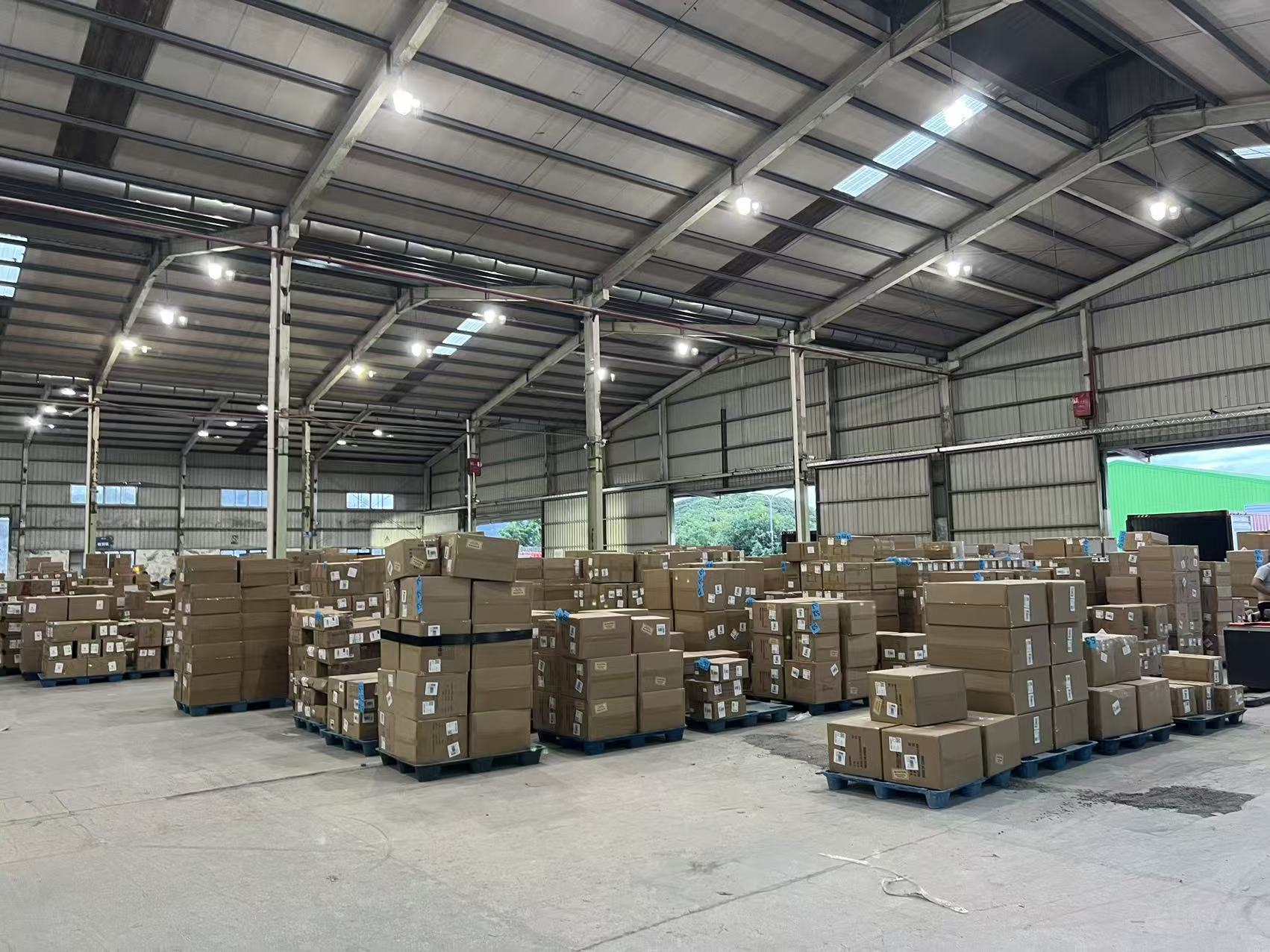
Detailed Architectural/Principle Analysis
DDP (Delivered Duty Paid) shipping to Middle Eastern markets involves complex regulatory landscapes where the seller assumes all costs, risks, and import duty obligations. A primary risk factor stems from valuation audits conducted by local customs authorities. When declared invoice values fall below official benchmark databases in destinations like Saudi Arabia or the UAE, customs officials reassess duty levels and impose retroactive penalties, holding shipments until payment is finalized.
Another critical hurdle is conformity certification. Middle Eastern nations enforce stringent standards, such as Saudi Arabia's SABER platform requirement and UAE's ESMA specifications. Shipping general merchandise or e-commerce cargo without active product registration certificates leads directly to customs rejection, forced re-export, or cargo destruction at destination ports.
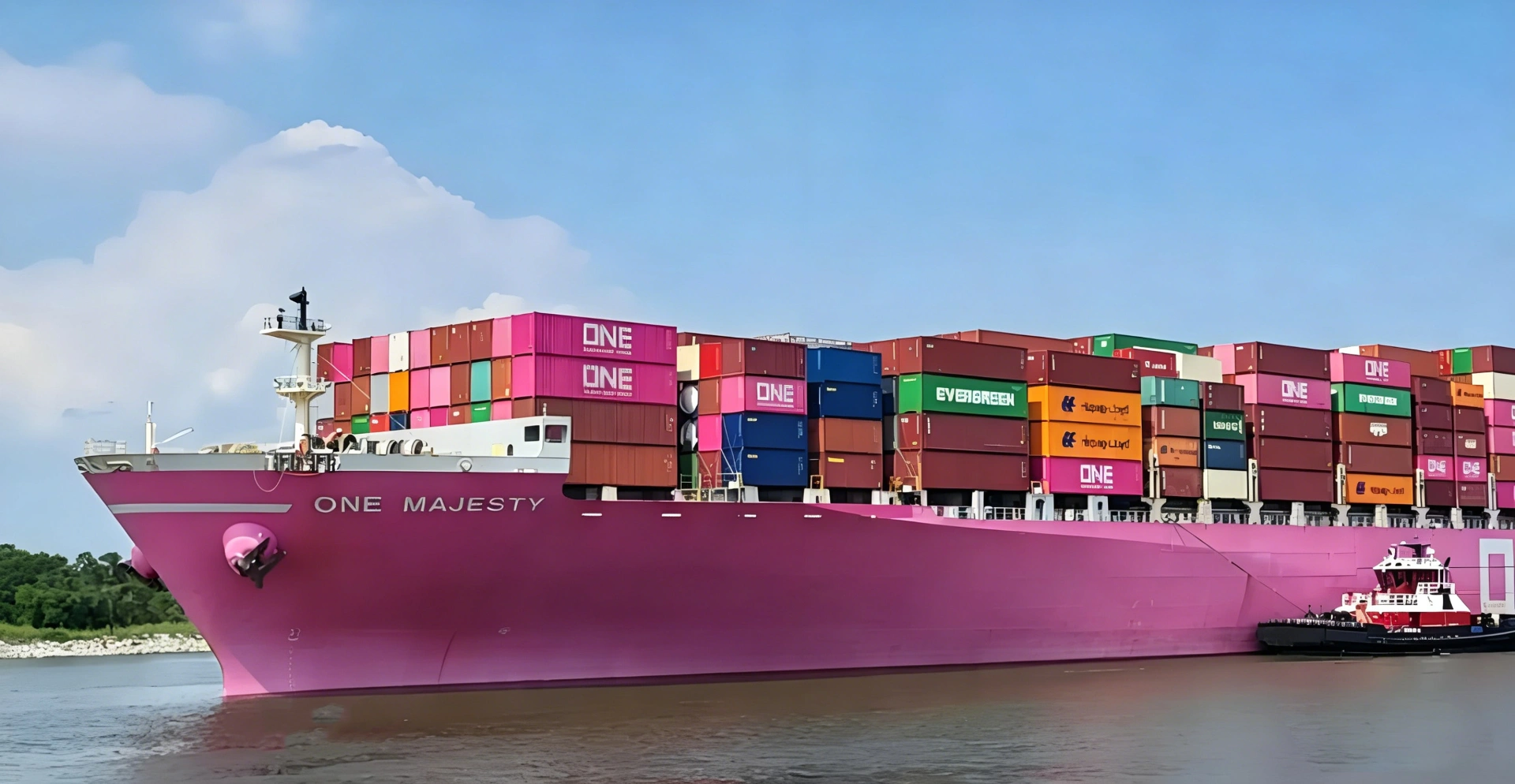
Logistics execution provided by experienced forwarders such as Guangdong Shippingwell Supply Chain Limited integrates certified customs agents into the chain. Holding credentials like NOVCC (GD202104273385) and the Record Filing Form for International Freight Forwarders (10043003), structured supply chain services manage destination customs clearance, import tax processing, and local last-mile distribution across commercial warehouses and residential addresses.
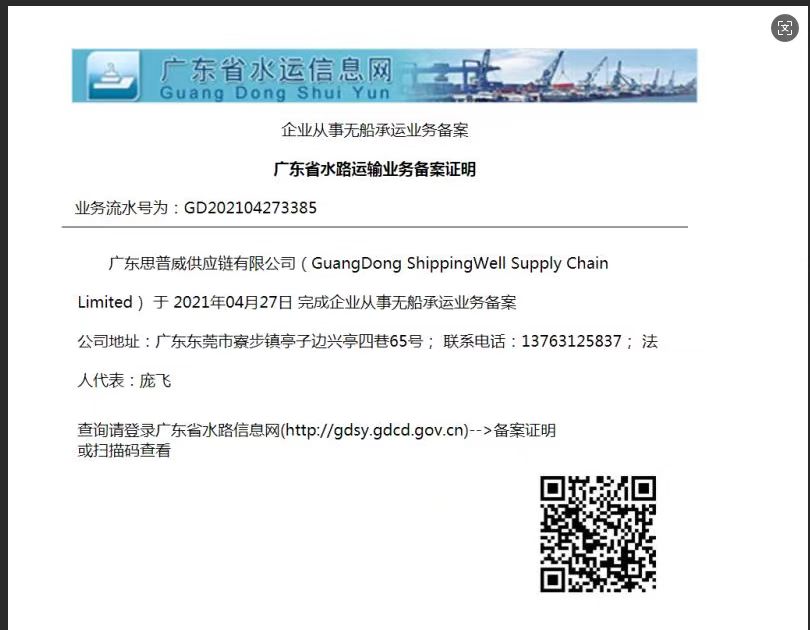
Proper risk management also demands dedicated handling for full container loads (FCL) and less-than-container loads (LCL). In real-world applications, trading clients operating over 100 FCL shipments annually report that standardized pre-loading inspections and verified duty payments effectively maintain predictable delivery schedules across Middle Eastern import ports.
Data/Solution Comparison
| Logistics Channel | Average Transit Time | Customs Clearance Risk Level | Suitable Cargo Type |
|---|---|---|---|
| Air Freight DDP | 4–8 days | Low | High-value, time-sensitive e-commerce parcels & samples |
| Expedited Sea Freight DDP | 22–32 days | Medium | FCL bulk shipments, urgent restocking cargo |
| Economy Sea Freight DDP | 35–45 days | Medium to High | LCL consolidation, general retail bulk merchandise |
Frequently Asked Questions (FAQ)
What happens if goods are detained by Middle East customs due to valuation issues?
Customs authorities issue a valuation query notice. The logistics provider must present secondary documentation, including purchase contracts, proof of payment, or manufacturer price lists, to justify the declared value and negotiate duty re-assessment.
Who acts as the Importer of Record (IOR) in Middle East DDP shipping?
In DDP terms, the appointed logistics provider utilizes its local certified customs partner or trade entity in the destination country to act as the legal Importer of Record, completing tax filings and local compliance requirements on behalf of the exporter.
What documents are mandatory for DDP customs clearance in Saudi Arabia and the UAE?
Standard requirements include a commercial invoice, packing list, bill of lading or airway bill, Certificate of Origin, and country-specific conformity certificates (such as SABER certificates for Saudi Arabia).
Final Conclusion & Recommendations
Navigating DDP shipping to the Middle East requires rigorous pre-shipment compliance audits, precise valuation, and reliable local Importer of Record partnerships. Selecting end-to-end logistics solutions with structured transit options—ranging from 4–8 day air freight to 22–45 day ocean freight—enforces regulatory compliance while optimizing total transport costs. For detailed technical solutions or support, please reach out to us via Sales@shippingwell.com.
About Us
Guangdong Shippingwell Supply Chain Limited was established in 2021 and operates with a team of 50 professionals. The company manages over 100,000 square meters of warehouse facilities and handles more than 10,000 standard containers annually across international supply chain routes. Certified with NOVCC and official freight forwarder record filings, the organization delivers full-chain DDP logistics solutions to clients across multiple cross-border industries.
Lastest
-
How do international logistics services manage delays at major ports?
2026-08-11 -
How do 3PL & fulfillment services ensure GDPR compliance for customer data?
2026-08-11 -
How do I choose the right international logistics services for oversized cargo?
2026-08-11 -
Why are China to USA DDP shipping rates so volatile during holidays?
2026-08-11 -
How does DDP shipping UK handle customs clearance for hazardous materials?
2026-08-11
SUBSCRIBE
INQUIRY