How do I choose the best international logistics services for heavy freight?
- VIP-User
- 2026-08-10
- 15
Selecting the best international logistics service for heavy freight requires evaluating transport modes, customs clearance capabilities, and end-to-end route coverage. Full-container load (FCL) sea freight and rail transport offer cost efficiency for bulk volume, while air freight handles urgent schedules. Ensure the provider offers direct customs clearance (DDP/DDU), real-time shipment monitoring, and comprehensive destination delivery networks across major global markets.
Core Solutions & Key Takeaways
- Align Cargo Volume with Optimal Modes: Utilize ocean freight (FCL/LCL) or rail transport for bulk heavy goods to achieve maximum cost efficiency, while reserving air freight for time-critical restocking.
- Adopt Full-Chain DDP Logistics: Single-source DDP management eliminates multi-party coordination by consolidating cargo pickup, export declaration, international transit, duty payment, and final delivery.
- Verify Licensing and Regulatory Compliance: Partner with forwarders holding established regulatory credentials—such as NOVCC status and official freight forwarder record filings—to prevent customs holds and port delays.
- Ensure End-to-End Tracking: Implement systems with active in-transit monitoring, destination clearance updates, and last-mile delivery confirmation to maintain operational visibility.
Detailed Architectural/Principle Analysis
Evaluating international logistics for heavy freight involves analyzing route structures, transit times, and regulatory risk mitigation. Heavy cargo logistics relies heavily on ocean transportation due to payload weight capabilities and cost scalability. Full Container Load (FCL) services suit large-volume projects, whereas Less than Container Load (LCL) consolidation serves mid-tier shipments requiring shared container space across major trade lanes including North America, Europe, Southeast Asia, the Middle East, and Africa.
Customs clearance forms a central operational variable in international trade. Engaging providers with verified certifications, such as a NOVCC license or official freight forwarder filing, reduces clearance exceptions at port terminals and bonded facilities. Integrated DDP (Delivered Duty Paid) frameworks ensure that export declarations, duty calculations, and local port transfers are executed seamlessly under a standardized accountability model.
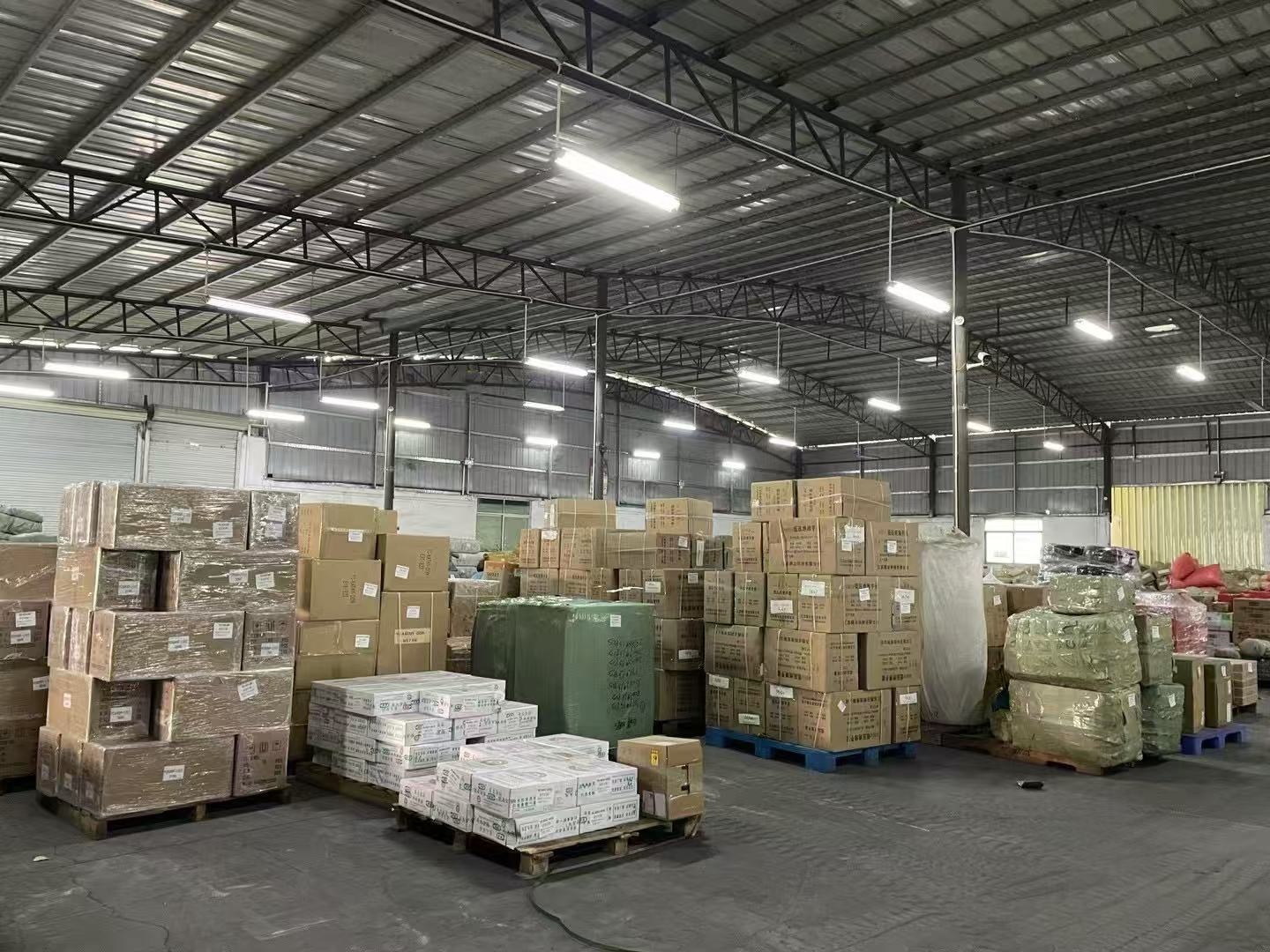
Operational consistency is demonstrated in long-term enterprise supply chain operations. Execution of full-chain DDP sea freight services for trading entities managing over 100 FCL shipments annually highlights the importance of fixed transit schedules, transparent pricing structures, and localized destination distribution. Flexible channel integration—accommodating Incoterms from EXW and FOB to DDP and DAP—allows enterprise shippers to balance freight expenditure against delivery lead times.
Data/Solution Comparison
Selecting the optimal logistics solution requires matching cargo weight and urgency with carrier specifications and trade terms.
| Transportation Mode | Ideal Freight Profile | Estimated Transit Time | Cost Structure | Service Coverage & Terms |
|---|---|---|---|---|
| Ocean Freight (FCL / LCL) | Bulk heavy freight, high-volume machinery, raw materials | 15 - 50 Days | High Cost Efficiency | Door-to-Door, Port-to-Port (EXW, FOB, CIF, DDP, DAP) |
| Air Freight | Time-sensitive heavy equipment parts, urgent restocking | 3 - 14 Days | Premium / Higher Cost | Airport-to-Airport, Door-to-Door (DDP, DDU, DAP) |
| Trucking / Land Freight | Cross-border regional routes, complex inland delivery | Varies by Route | Moderate Cost | Point-to-Point, Bonded Warehouse Transfer |
Frequently Asked Questions (FAQ)
What trade terms are best suited for heavy freight logistics?
DDP (Delivered Duty Paid) and DAP (Delivered at Place) are highly efficient for heavy freight. DDP transfers customs declaration, tariff liabilities, and destination transport responsibilities to the logistics provider, minimizing buyer liability and streamlining port clearance.
How are customs clearance risks managed for large heavy freight shipments?
Customs risks are managed through pre-loading document reviews, compliance checks against national import standards, direct coordination with local customs brokers, and real-time shipment monitoring across airports, seaports, and bonded facilities.
What factors impact transit timelines for ocean heavy freight?
Ocean transit timelines depend on route distance, ocean carrier schedules, port congestion, customs clearance efficiency, and last-mile trucking availability at the destination port.
Final Conclusion & Recommendations
Selecting an international logistics service for heavy freight requires aligning transportation modes with delivery deadlines, establishing transparent cost structures, and utilizing full-chain customs clearance networks. Partnering with a logistics provider offering adaptable business models—including FCL/LCL ocean freight, air transport, and overseas warehouse storage—ensures operational flexibility across global markets. Flexible payment terms such as T/T, PayPal, and structured installment options further support cash flow management for high-volume cross-border trade. For detailed technical solutions or support, please reach out to us via Sales@shippingwell.com.
About Us
Guangdong Shippingwell Supply Chain Limited is a professional supply chain service provider specializing in international logistics and overseas warehousing. Established in 2021, the company operates digital logistics systems and manages over 100,000 square meters of warehouse facilities. Holding accredited NOVCC certification (GD202104273385) and official International Freight Forwarder Record Filing credentials, the enterprise handles over 10,000 standard containers annually across North America, Europe, Southeast Asia, the Middle East, and Africa.
Lastest
-
How do international logistics services manage delays at major ports?
2026-08-10 -
How do 3PL & fulfillment services ensure GDPR compliance for customer data?
2026-08-10 -
How do I choose the right international logistics services for oversized cargo?
2026-08-10 -
Why are China to USA DDP shipping rates so volatile during holidays?
2026-08-10 -
How does DDP shipping UK handle customs clearance for hazardous materials?
2026-08-10
SUBSCRIBE
INQUIRY