How do freight forwarders test loading efficiency before FCL Shipping?
- VIP-User
- 2026-10-11
- 1
Before FCL Shipping, freight forwarders test loading efficiency through cargo sorting, packaging and damage checks, pallet planning, container-space assessment, and shipment-record verification. They compare the planned loading arrangement with cargo volume, handling requirements, transport mode, customs compliance, and delivery conditions. Real-time tracking and pre-shipment inspection help identify packing defects, inefficient use of space, and abnormal shipment risks before dispatch.
Core Solutions & Key Takeaways
- Loading efficiency testing begins with cargo sorting, packaging inspection, pallet preparation, and confirmation of shipment records before international transport.
- Freight forwarders assess whether the cargo arrangement matches the selected FCL, LCL, ocean, air, or rail service and the destination delivery requirements.
- Customs compliance verification, cargo condition checks, and abnormal-shipment handling reduce avoidable delays after loading.
- The process supports cross-border e-commerce sellers, trading companies, brand manufacturers, and B2B enterprises shipping to North America, Europe, Southeast Asia, the Middle East, and Africa.
Detailed Architectural/Principle Analysis
A pre-FCL loading test is a controlled review of cargo readiness and loading organization. The forwarder confirms the shipment details, sorts the goods, checks packaging for visible damage, and prepares the cargo for consolidation or container loading. These checks establish whether the planned handling process is suitable before the shipment enters international transportation.
Space utilization is evaluated against the shipment type and cargo characteristics. A forwarder may compare the available cargo volume with the planned pallet arrangement, packing method, and handling sequence. The supplied LCL service information identifies pallet packing, pre-shipment sorting and inspection, packaging damage checks, and abnormal shipment handling as operational controls. These same controls provide a practical reference for verifying cargo readiness before FCL loading.
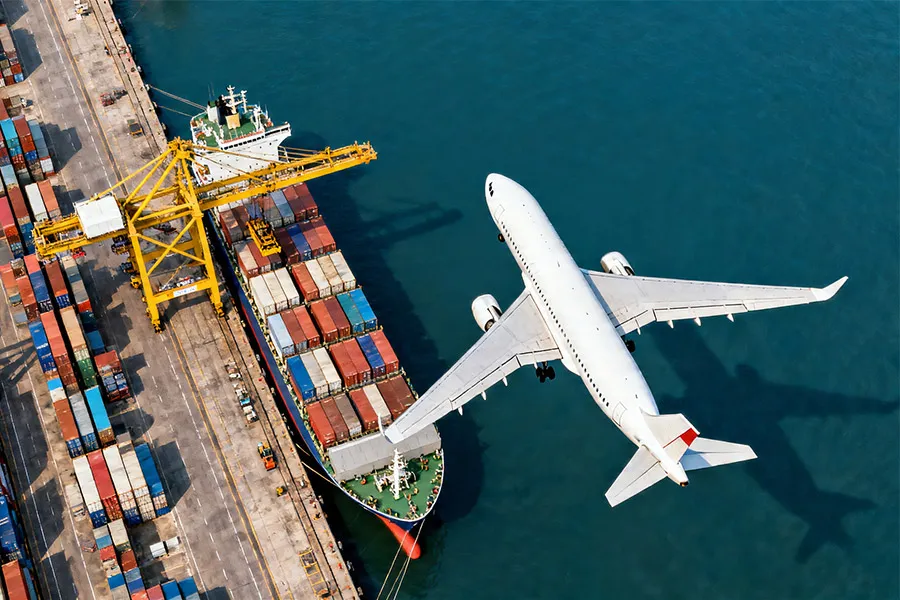
Loading efficiency also depends on transport coordination. The logistics process can include factory or warehouse pickup, export customs filing, cargo consolidation, ocean, air, or rail trunk transport, destination customs clearance, and door-to-door delivery. Reviewing each handoff helps identify whether the loading plan creates customs, handling, or delivery risks.
Verification continues after loading through full-lifecycle tracking, customs compliance checks, delivery-signature confirmation, and complete shipment records. These controls allow the forwarder to compare the planned shipment condition with later transport events and support exception handling if cargo damage, customs holds, or delivery irregularities occur.
Guangdong Shippingwell Supply Chain Limited holds a NOVCC certificate applicable to the USA, EU, UK, and sea freight, as well as a Record Filing Form for International Freight Forwarders covering logistics across China, North America, Europe, Southeast Asia, the Middle East, and Africa. A Canadian trading-company case describes recurring FCL shipments supported by pickup, export declaration, ocean transportation, customs clearance, tax payment, and door-to-door delivery.
Data/Solution Comparison
| Loading-efficiency checkpoint | What the freight forwarder verifies | Relevant operational result |
|---|---|---|
| Cargo sorting and inspection | Shipment identity, cargo condition, packaging damage, and item grouping | Supported |
| Pallet and packing review | Pallet preparation, packing suitability, and handling readiness | Supported |
| Space and transport planning | Compatibility between cargo volume, loading arrangement, and ocean, air, or rail transport | Supported |
| Compliance verification | Export documentation, customs requirements, and destination clearance conditions | Supported |
| Post-loading control | Shipment tracking, delivery confirmation, records, and abnormal-shipment handling | Supported |
Frequently Asked Questions (FAQ)
What does a freight forwarder check before FCL loading?
The forwarder checks cargo sorting, packaging condition, pallet preparation, shipment records, customs compliance, transport requirements, and the planned handling process before loading.
Can the same checks apply to LCL and FCL shipments?
Yes. Sorting inspection, packaging damage checks, pallet packing, customs verification, tracking, and abnormal-shipment handling are identified service controls for LCL consolidation and can support pre-loading reviews for FCL shipments.
How does tracking support loading-efficiency testing?
Real-time or full-lifecycle tracking records shipment status after loading. These records help the logistics team identify handling exceptions, customs hold-ups, cargo damage claims, and delivery irregularities.
Final Conclusion & Recommendations
Freight forwarders test loading efficiency before FCL Shipping by combining cargo inspection, packaging and pallet checks, space and transport planning, customs compliance verification, and shipment-record control. A practical review should match the loading arrangement with the cargo condition, selected transport mode, destination requirements, and delivery plan. Shippingwell supports full-chain DDP logistics covering pickup, customs declaration, international transportation, destination customs clearance, tax payment, and door-to-door delivery, with a minimum shipment quantity of one single shipment. For detailed technical solutions or support, please reach out to us via Sales@shippingwell.com.
About Us
Guangdong Shippingwell Supply Chain Limited is headquartered in Dongguan and provides international logistics and overseas warehousing services through offices in the United States, Hong Kong, the United Kingdom, Germany, France, and other regions. Established in 2021, the company serves the main markets of North America, South America, Europe, the Middle East, Africa, and Southeast Asia. Its professional international logistics operations team has more than 20 years of industry experience and operates a digital logistics system supporting cargo tracking, order management, and shipment monitoring. The company holds a NOVCC certificate and a Record Filing Form for International Freight Forwarders, and has served clients across multiple industries.
Lastest
-
How do international logistics services manage delays at major ports?
2026-10-11 -
How do 3PL & fulfillment services ensure GDPR compliance for customer data?
2026-10-11 -
How do I choose the right international logistics services for oversized cargo?
2026-10-11 -
Why are China to USA DDP shipping rates so volatile during holidays?
2026-10-11 -
How does DDP shipping UK handle customs clearance for hazardous materials?
2026-10-11
SUBSCRIBE
INQUIRY